
Road weather conditions for drivers
In the winter season, the road weather service describes driving conditions for the main road network. The conditions on smaller roads and city streets may be quite different.
Traffic weather warnings are drawn up from early October to late April. If necessary, road weather warnings can also be issued during summer, as in fact has been done in most years.
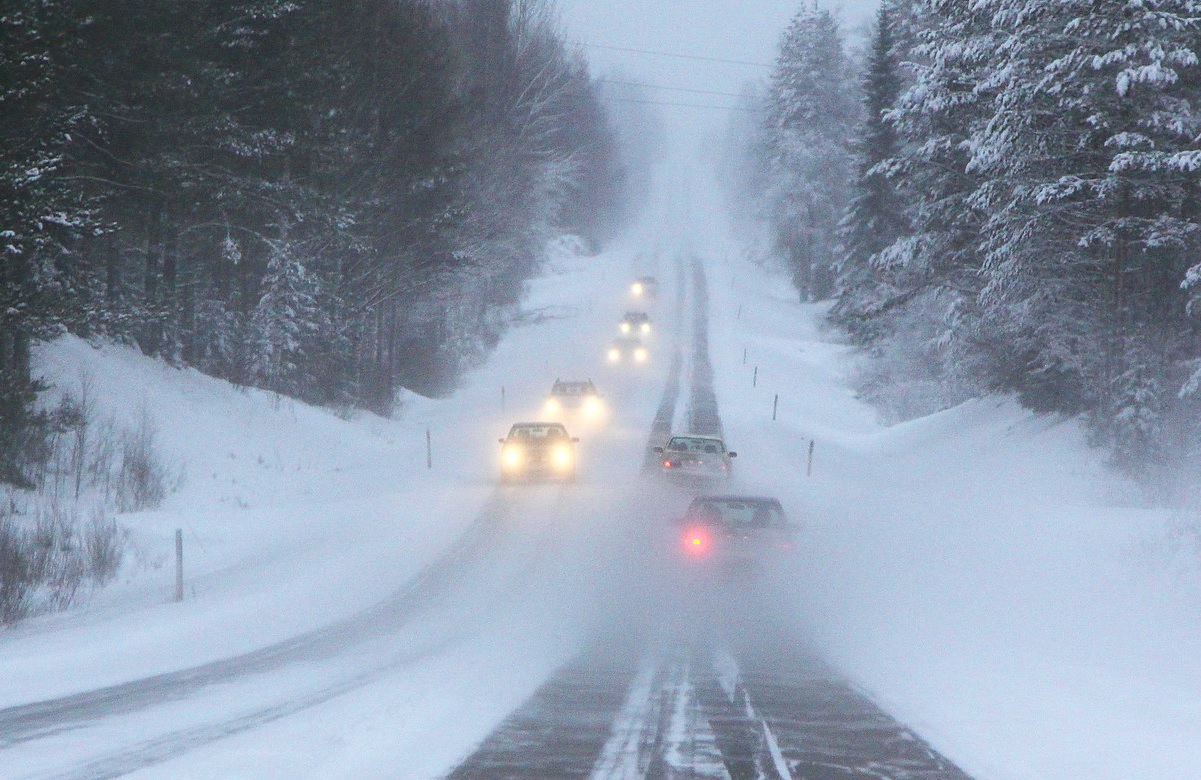
Road weather conditions are divided into four categories:
normal
bad (yellow warning level)
very bad (winter) conditions (orange warning level).
Extremely bad road conditions.
Extremely bad road conditions means, that major traffic disruptions are likely and traffic connections may be completely broken. Significant risk of traffic accidents. Very bad conditions mean, for instance, that freezing rain is expected to make roads slippery before there is time to prevent this, or that there will be such heavy snowfall that roads cannot be cleared quickly enough. Since the risk of accidents in very bad conditions is great, one should consider carefully whether to drive at all.
In bad conditions, the probability of accidents is greater than normally and driving speeds should be reduced. Typical problems include snowfall or slippery road surfaces.
Even normal winter conditions do not mean the same as normal summer conditions. During normal winter conditions, drivers may still encounter worse road conditions locally or off the main roads.
Factors increasing accidents:
Low pressure passing by or over Southern Finland accompanied by heavy snowfall.
There is light snowfall and the temperature is well below the freezing point. If the temperature is about -7° C or colder, roads cannot be salted. Even light snowfall makes roads slippery then, and whirling snow impairs visibility.
Public holidays, even if the weather is not particularly bad.
15.12.2021